Brick has been a fundamental building material for thousands of years. Its properties allow it to serve as both a structural and a facing material. Its possibilities are so broad that brick house construction remains relevant today. Let us examine the main advantages and disadvantages of brick houses.
Advantages of a brick house
Brick houses offer the following advantages:
- Environmental performance. Brick homes are one of the most obvious and justified choices from an environmental perspective. Brick contains no unfamiliar materials: it is made from clay, sand and water, then fired in a kiln. It contains no impurities and therefore emits no harmful substances.
- A distinctive indoor climate. Brick homes have high thermal inertia, smoothing temperature swings and keeping them cool in summer and warm in winter.
- Fire resistance. Brick houses are among the most fire-safe. Bricks do not burn, produce smoke or release harmful fumes. This property is particularly valuable in fire-prone regions.
- Sound insulation. Brick walls provide better sound insulation than aerated concrete, reducing concerns about loud conversations or neighbours' music.
- Reliability, strength and durability — one of the main advantages of brick homes. The material has high load-bearing capacity, withstands heavy loads and resists rot and other aggressive environmental factors. With competent design and construction, brick houses can last centuries and be passed down to future generations.
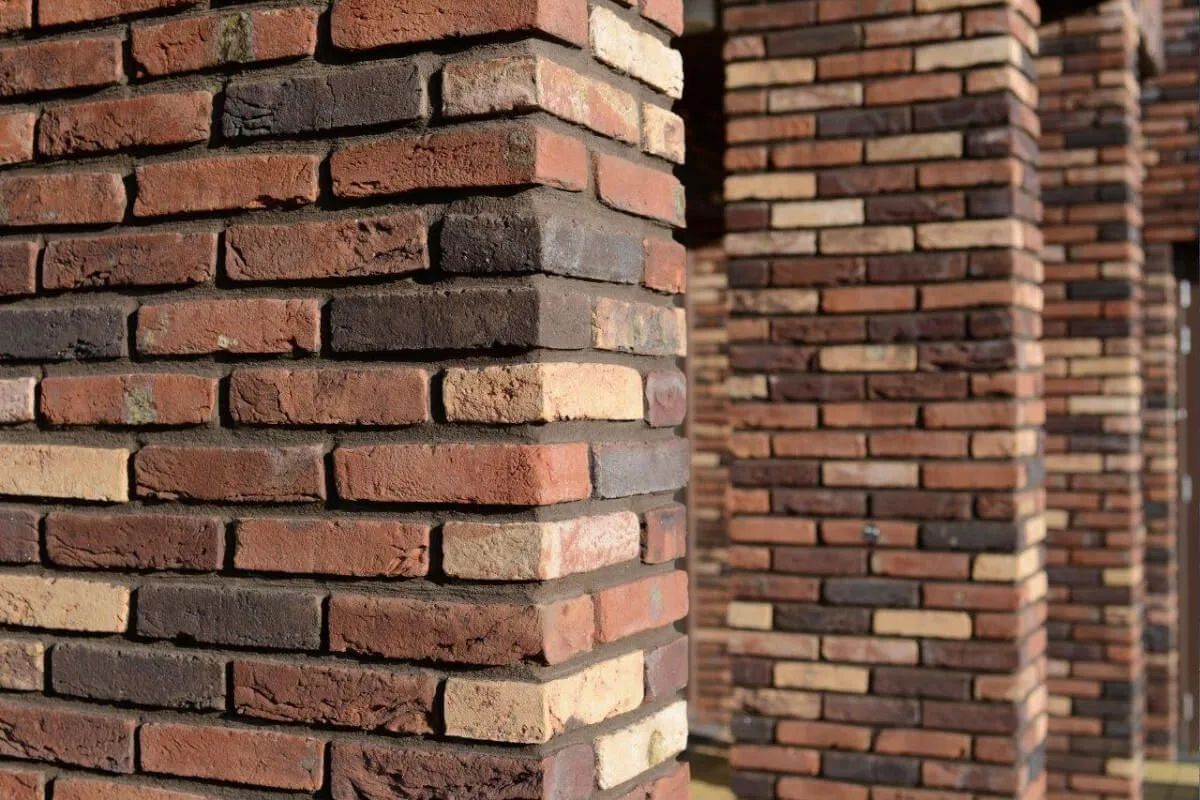
- Versatility. The material allows complex architectural designs and original forms. Look at historic brick buildings and their details: arches, turrets, domes, ornamental brickwork, Bavarian brickwork and much more.
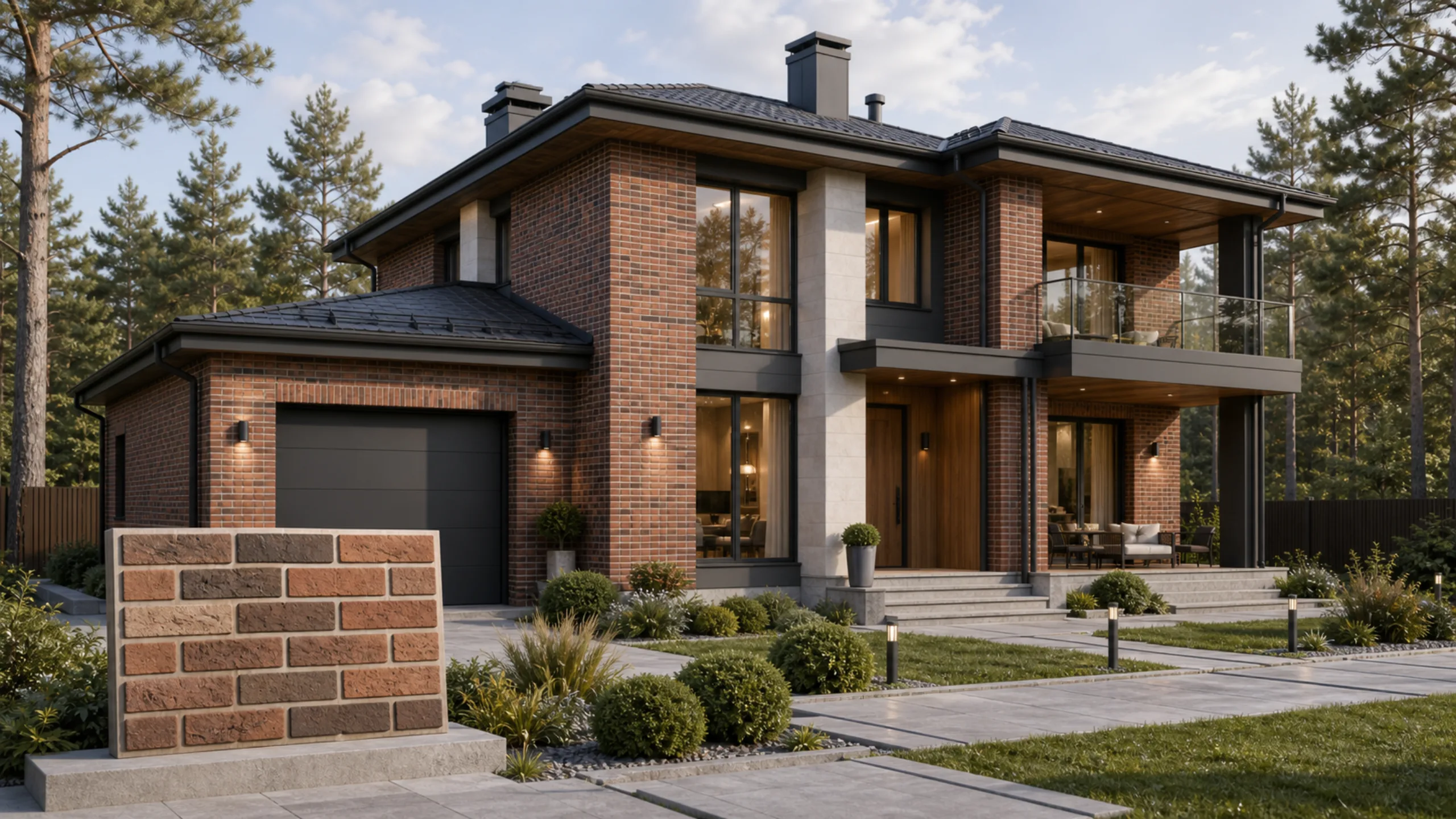
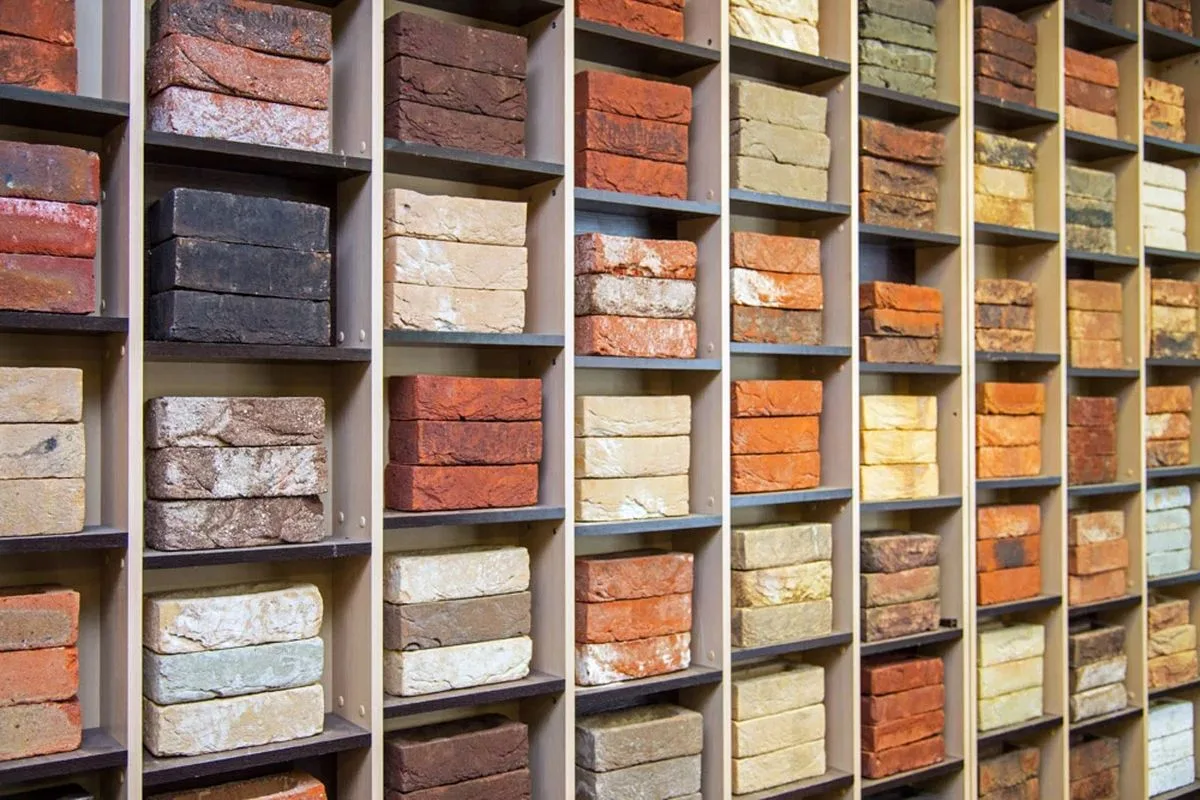
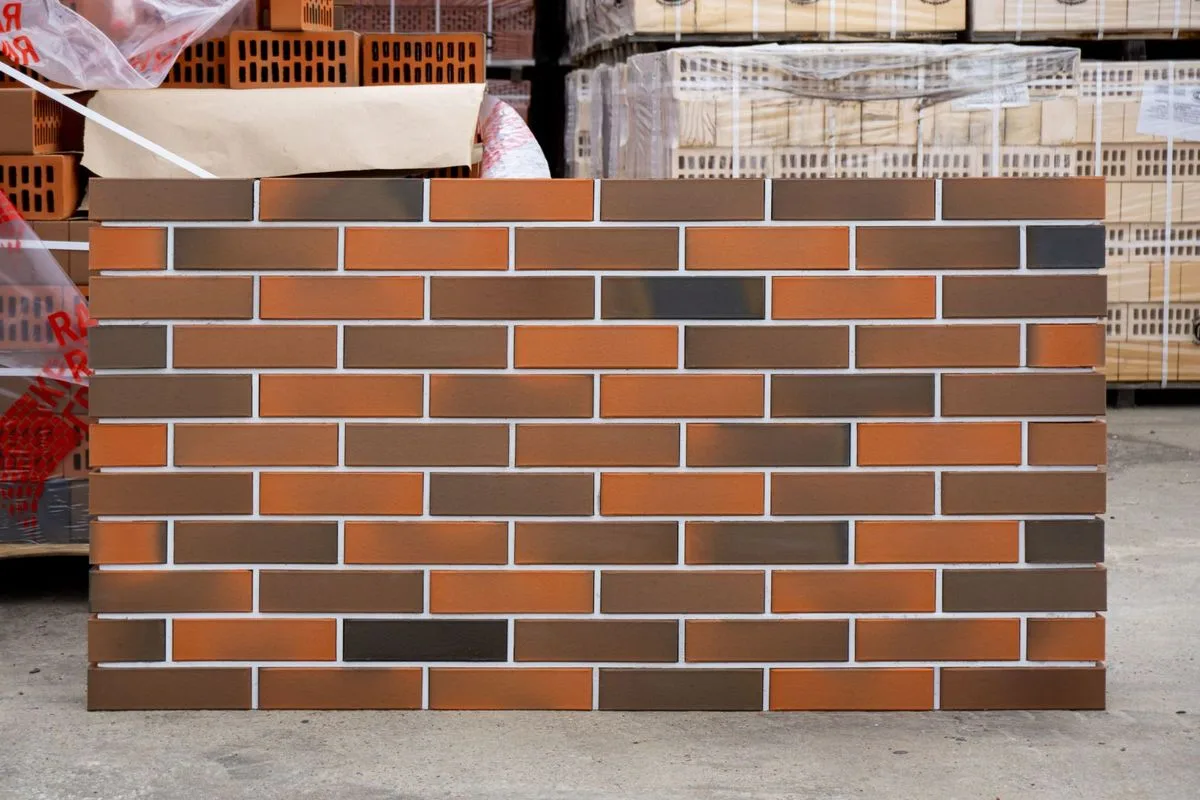
- Material variety. The construction market offers many brick types, differing in colour, size and technical properties. By purpose, brick falls into two types: common building brick for external, internal and general masonry, and facing brick, which provides decoration and protection in a wide range of colours and surfaces. Many clients associate brick homes with something outdated, recalling the red-brick houses common in private developments of the 90s. A closer look reveals today's wide choice of attractive bricks, particularly clinker and handmade brick.
- Appearance. Many people choose brick as the main or facing material because they consider it more attractive, prestigious and expensive-looking.
The first part of this article listed the main advantages that have kept brick among the best house-building materials for many years. To assess all the characteristics of brick homes, we will now examine the main drawbacks that have allowed newer materials such as aerated concrete to gain ground.
Disadvantages of a brick house
- Low earthquake resistance. Brick houses are not the best option in regions with increased seismic activity. If you are committed to this material, builders must incorporate special reinforcing structures in the brick building.
- High cost. The main disadvantage is that a brick house costs more to build than a timber or aerated concrete home. First, brick itself is not cheap. Second, laying it takes more labour and time, making the work more expensive.
- Load on the foundations. Brick is heavy, so foundation selection needs more care and construction takes more time and money. Do not forget the need for a geotechnical site investigation.
What should you know when building a brick house?
Remember that not all bricks are high quality. Check the material's grade and frost resistance, particularly when building in a region with large temperature swings. If you want a house to last for generations, do not economise on brick; choose trusted manufacturers.
Masonry durability depends on mortar grade and workmanship as well as brick properties.
Choose a competent contractor when building a brick house. Do not attempt bricklaying yourself without masonry skills. Even small masonry errors or irregularities can make a brick house look unattractive at best and cause wall collapse at worst.
Living in and maintaining a brick house
For a summer home, choose another material: an unheated brick building cools quickly in winter and takes a long time to warm up, while suddenly switching on heating can cause moisture to accumulate inside the walls. After you leave, this moisture freezes and gradually damages the walls from within. A brick house is therefore justified only if you plan to live in it permanently.
When brick is truly justified
Choose brick for a lasting permanent home when there is a budget for foundations, masonry and insulation, and the design accounts for wall weight and workmanship requirements.
Results
We have examined the advantages and disadvantages of brick houses and found many benefits with few drawbacks. No material is perfect: every client should weigh the advantages and disadvantages before choosing the material for their future home. With a sufficient budget and confidence in your contractors' professionalism, a brick house is an excellent choice for a reliable, warm and attractive home.